Australian Shepherds are medium-sized, double-coated herding dogs with a natural temperature regulation system that outperforms most dog clothing.
That fact shapes every decision about whether and when to dress one. The Aussie's coat is not decorative; it controls body temperature in both heat and cold.
Clothing placed over it can interfere with that function, sometimes causing the exact problem an owner is trying to prevent.
That said, there are situations where an Aussie genuinely benefits from a garment.
Understanding the difference between functional clothing and unnecessary clothing, and knowing how to size the former correctly, determines whether your dog is comfortable or not.
Direct answer
Most healthy adult Australian Shepherds living indoors don't need clothing for warmth.
Their double-layered coat, consisting of a topcoat and an undercoat, plays an integral role in accommodating the dog's needs in both cold and hot weather.
Clothing layered on top of that system adds heat the coat was designed to dissipate.
The cases where clothing is genuinely useful for an Aussie are specific: extreme cold (temperatures below freezing for extended outdoor periods), post-surgical wound protection, anxiety, or, occasionally, rain protection.
For indoor use, clothing is almost never necessary for a healthy adult.
The double coat and why it changes the calculation
The Aussie's undercoat is used to regulate their body temperature. It not only keeps them warm in the winter, but it helps them to stay cool in the summer.
This is the detail most people miss. The insulating properties work both ways, helping to keep hot air away from the skin.
The structure of the coat allows for air circulation between the layers, creating a ventilation effect.
Additionally, the topcoat reflects sunlight rather than absorbing it, providing natural sun protection.
Brushing helps get rid of the fluffy undercoat and allows air to circulate around the dog's skin, which is one of the dog's natural cooling mechanisms.
In other words, regular grooming does more for temperature regulation than any garment.
Putting a coat or sweater on an Aussie in a warm indoor environment doesn't just fail to help; it can actively cause overheating.
Coats and sweaters on dogs should only be worn while they will be outside in very cold weather.
Dogs should not be put in those clothing items in the house as they may overheat easily.
Clothing items should generally be removed from the dog after they are no longer needed to prevent chafing and infection of the skin.
Shop the dog drama
Quick exits to coats, collars, beds, crates, harnesses, leashes, muzzles, and grooming - now without the old image menu circus.
When clothing is actually useful
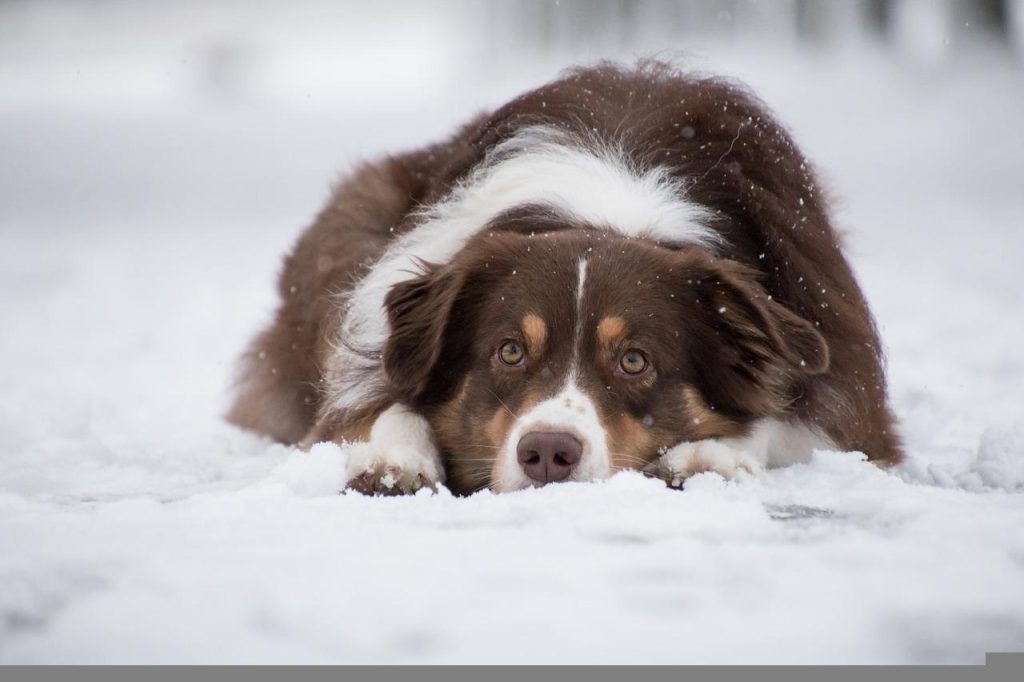
Extreme cold outdoors. Despite their robust coat, Australian Shepherds can still be at risk in very cold weather, particularly in temperatures that fall below freezing.
To protect your Australian Shepherd in winter, consider using dog coats or sweaters in very cold conditions.
The key phrase is "very cold conditions," not a brisk autumn walk, but prolonged exposure in genuinely freezing temperatures.
Post-surgery recovery. This is one of the clearest functional uses. A surgical onesie or recovery shirt keeps a dog from reaching and licking an incision site.
Dogs recovering from surgery may need onesies or shirts to prevent them from licking or biting at stitches.
Anxiety. Snug-fitting anxiety wraps apply light, even pressure to the torso.
These snugly-fitting garments apply pressure to your dog's body and may help soothe and calm them.
They're typically used during thunderstorms, fireworks, or other stress triggers and removed afterward.
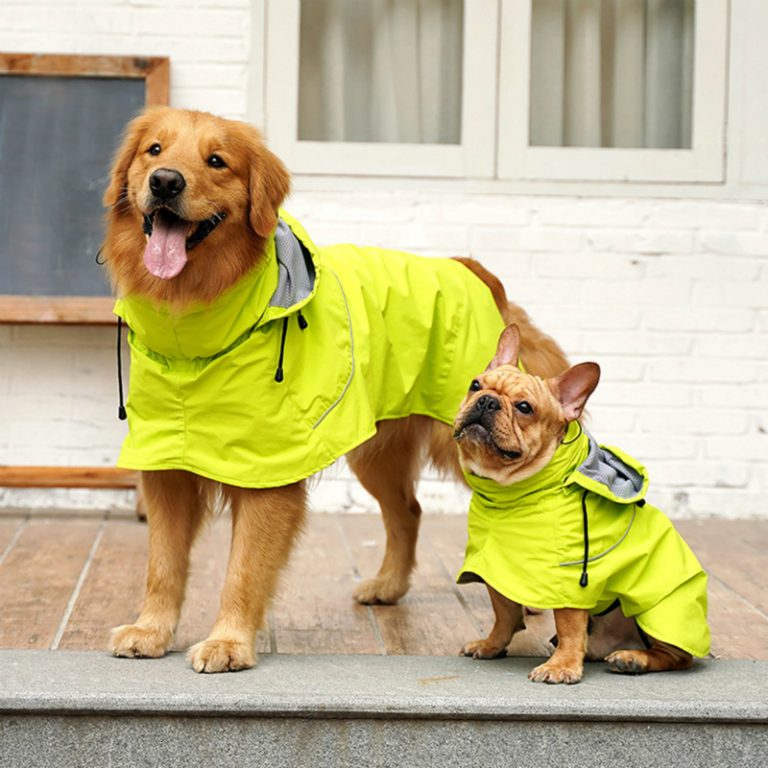
Rain and wet conditions outdoors. A waterproof dog coat can help keep an Aussie dry and warm in colder climates.
A wet coat loses some insulating efficiency, so a waterproof shell makes sense in prolonged rain and cold , less so in mild temperatures where the dog will dry quickly.
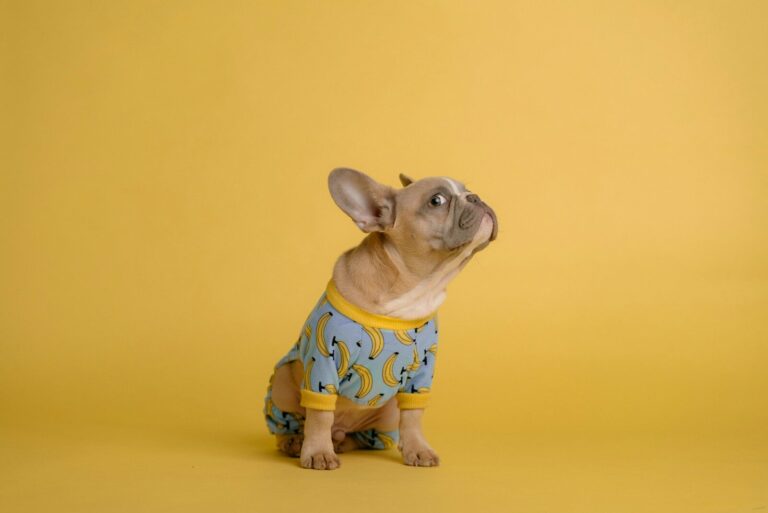
Fashion and indoor use. Dogs only require clothing for functional reasons, such as to keep warm, protect them from the elements, or help them recover from injury.
A costume or sweater worn at home for aesthetic reasons is unlikely to harm a dog for short periods if the garment fits well and the dog tolerates it without distress.
But it contributes nothing to their health.
How to read your dog's response
Some Aussies tolerate clothing without complaint. Others freeze, hunch, or try to remove the garment immediately.
Many dogs are fine with wearing clothes. Some hate it, will tuck their tail between their legs, hide behind furniture, or try to eat the outfit.
Take the clothes off, start with a smaller or more lightweight item, and work up from there.
Positive reinforcement is key, with plenty of praise, a happy tone, and a treat or two.
If you want your Aussie to wear something eventually, start with short sessions indoors, pair the experience with treats, and stop if they show sustained stress.
A dog that's visibly uncomfortable in clothing is under unnecessary strain. If your dog hates wearing clothes, you should never force them.
Sizing an Australian Shepherd
Standard Aussies weigh 35 to 70 pounds, with males running larger. But weight is one of the least reliable sizing guides for dog clothing.
Some dog breeds may not weigh much but have a girthy neck or chest that requires a larger size than you'd expect.
The 3 measurements you need:
Chest girth. Measure all the way around the dog's chest loosely at its widest point, which is typically around 2 inches behind the front legs.
To make sure you have measured the widest part of the body, it is sometimes worth taking 3 measurements of the chest a few inches apart and using the largest of the 3 measurements.
This is the most important number; the garment has to clear it.
Back length. Measure along the dog's backbone from the collar to the base of the tail.
The back length determines whether a coat will cover the dog's body without hanging over their rear or leaving their back exposed.
Neck girth. Measure at the widest point of the neck, usually at the base where it meets the shoulders.
Keep the tape snug but not tight.
For an Aussie with thick fur, add two or three finger widths of slack to your chest and neck measurements.
If your dog is extra furry, size up. Similarly, if your dog is between sizes, go up one size for comfort and freedom of movement.
Fit checks before you buy (or after you receive)
Signs of a good fit include: the clothing isn't too tight or too loose; the neck meets the two-finger rule (if you cannot fit two fingers underneath the neckline, it's too tight); the arm holes aren't too tight; and the back of the garment sits just above the tail, one to three inches above is ideal so the dog can wag without restriction.
Watch for these problems in use:
- Fur matting under the fabric (common with dense Aussie coats)
- Chafing in the armpit or chest area
- The dog panting more than usual indoors, a sign of overheating
- Dampness under the garment (a wet sweater will actually make a dog colder)
Sizing consistency across brands
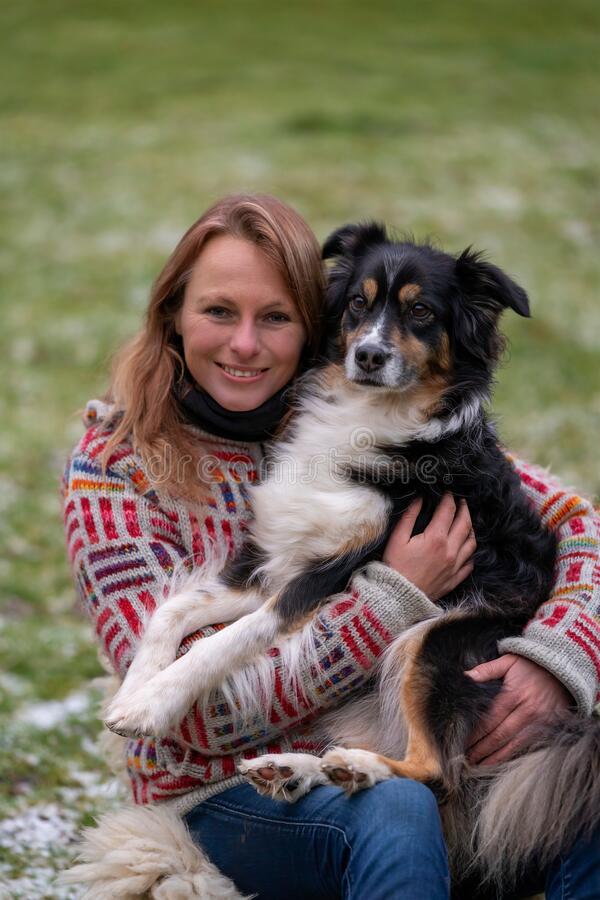
There is not a standard when it comes to the manufacturing of pet clothes and their sizes.
Different designs and styles of jackets can have different size ratios, so a dog may be a size Medium in one type and a 3XL in another.
Take a chest measurement and check the size chart for each product.
A size listed on a label or on a breed guide is a starting point.
The only reliable method is measuring the individual dog and cross-referencing against the specific product's chart.
Practical approach for home use
If you want your Aussie to wear something indoors , for a holiday photo, an anxiety wrap during fireworks, or recovery clothing , choose lightweight, breathable fabrics.
Avoid wool directly against the skin (it can irritate), fleece-lined materials in warm rooms, or anything that covers the neck and torso so completely that airflow drops.
Keep sessions short, watch for distress signals, and remove the garment before the dog sleeps unattended.
Coats that are too small may irritate your dog, causing them to bite at them, or wear through the fabric quickly.
Coats that are too big may fall off and get lost, drag on the ground, get soiled during toileting, or get caught on objects.
Neither outcome is useful.
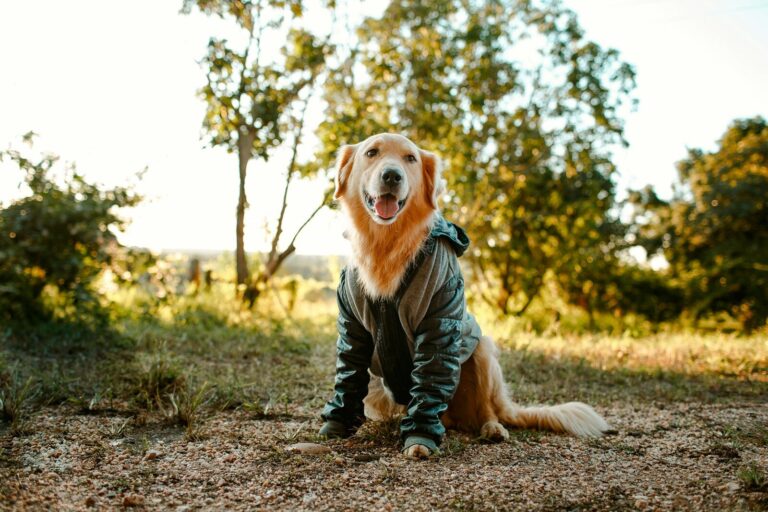
For outdoor cold weather use, a water-resistant shell or an insulated jacket is more appropriate than a knit sweater.
The sweater retains moisture; the shell sheds it. Always remove the coat once back inside.
References
- American Kennel Club Pet Insurance (dog clothing guide): https://www.akcpetinsurance.com/blog/do-dogs-really-want-or-need-clothes
- The Conversation (canine clothing and thermoregulation): https://theconversation.com/five-reasons-your-dog-might-really-benefit-from-canine-clothing-244217