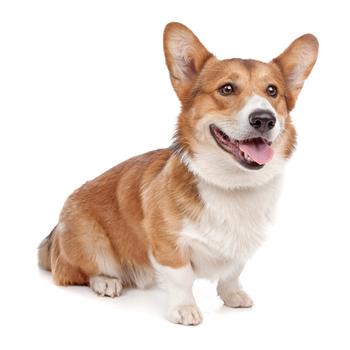
The Pembroke Welsh Corgi has one of the most distinctive body shapes in the dog world: a long torso, a broad barrel chest, short legs, and a low-slung belly that sits close to the ground.
That combination makes standard dog sizing nearly useless for the breed. A garment sized by weight alone will almost always fit wrong.
Getting clothes that actually work on a Corgi requires understanding the breed's proportions, knowing which three measurements to take, and choosing garments designed around that specific frame.
For a Corgi kept at home, the purpose of clothing shifts depending on what you're trying to accomplish.
Indoors, a healthy adult Corgi with an intact double coat doesn't need insulation.
What owners buy for home use tends to fall into two categories: decorative or costume wear for limited occasions, and light protective garments for puppies, seniors, or dogs recovering from a health issue.
The fit and safety rules are the same regardless of purpose.
Direct answer
Corgis need clothes sized by body measurements, not weight. The chest girth is the most important number.
Back length matters almost as much, because Corgis have a significantly longer back relative to their weight than most breeds their size.
Neck measurement is the third key figure. Once you have all three, compare them against a specific brand's size chart rather than a generic S/M/L label.
When in doubt between two sizes, go larger.
For home use specifically, choose lightweight and breathable materials.
A double-coated adult Corgi in a warm house does not need a fleece or insulated layer, and adding one can cause overheating.
Light cotton or cotton-spandex blends are appropriate for casual or decorative wear indoors.
Save heavier insulation for cold outdoor situations.
The Corgi body shape and why standard sizing fails
The average Pembroke Welsh Corgi has an overall height of 14 to 17 inches, a withers height of 10 to 12 inches, and a body length of 22 to 26 inches.
They typically weigh around 22 to 27 pounds.
That ratio of body length to height is the core problem for clothing.
A 20-pound Corgi with a barrel chest and short legs is built so differently from a 20-pound lean dog that the same piece of clothing will fit one and not the other at all.
Most dog clothing size charts were built around proportions closer to a Labrador or terrier.
A Corgi doesn't fit that template.
The sizing challenge comes down to the "too long/too short" issue: patterns need a back length that fits proportionally to the chest girth, which standard apparel doesn't provide.
Corgis also have a large chest and shoulder area, and sleeve and leg openings designed for more conventionally shaped breeds can restrict movement or catch on those shorter legs.
The weight range from 22 to 31 pounds across the breed highlights the need for multiple sizes.
Adjustable features, such as Velcro and side adjustment, help accommodate these unique dimensions.
Shop the dog drama
Quick exits to coats, collars, beds, crates, harnesses, leashes, muzzles, and grooming - now without the old image menu circus.
How to take the three key measurements
Stand the dog on a flat surface in a natural, upright position.
A dog sitting or lying down will give inaccurate readings because the ribcage and spine compress.
Use a soft fabric tape measure. String works in a pinch; just measure the string afterward with a ruler.
Chest girth. Measure the widest part of the dog's chest, usually just behind the front legs.
This is the priority measurement for sizing. When in doubt between sizes, size up.
The chest girth measurement is arguably the most important for fitting garments, as it determines whether the dog can breathe and move freely.
Back length. Measure from the base of the tail, where the tail meets the body, to the base of the neck.
Measure along the spine on top of the back for the most accurate reading.
For Corgis, this number will be long relative to their weight, which is why brands that design specifically for the breed build their patterns around that extended proportion.
Neck girth. Wrap the tape measure around the very base of the neck, right above where the neck meets the shoulders.
Hold it close to the fur so that two fingers can slip underneath. Clothing that is too loose at the neck is just as problematic as clothing that is too tight.
If a dog has extra fluff, size up. If measurements fall between two sizes, go up one size for comfort and freedom of movement.
Terminology and common misconceptions
"Small" or "medium" labels mean nothing across brands. Some dogs have unique proportions that don't line up with standard sizing: Dachshunds with their long bodies and short legs, or Pugs with their broad chests versus narrower waists, need extra attention when selecting sizes and may benefit from custom-made gear.
Corgis fall into the same category. Always check the specific brand's size chart using your dog's actual measurements.
Weight is not a sizing tool. Many size charts still lean on weight, which is helpful for broad categories but not for individual fit.
Chest circumference, taken around the deepest part of the ribcage just behind the front legs, is what determines whether a dog can breathe and move in their outfit.
Corgis don't need extra warmth indoors. Pembroke Welsh Corgis have weatherproof double coats, short but dense.
A healthy adult Corgi in a normally heated home doesn't need a sweater or fleece layer.
Adding insulating clothing in a warm indoor environment raises the risk of overheating, which is a real health concern.
When clothing is and isn't appropriate for a Corgi at home
For a healthy adult Corgi indoors, clothes serve a functional purpose mainly in a few specific situations: the dog is a puppy whose temperature regulation is less reliable, the dog is elderly or has a health condition that affects thermoregulation, or the dog is recovering from surgery and needs a garment to prevent licking.
Corgi puppies taken outside in cold or wet weather benefit from a warm jumper or coat because they get cold faster than fully grown dogs and are more sensitive to illness at a young age.
Young puppies and senior dogs of all breeds are more susceptible to cold than healthy adults.
Dogs with chronic conditions like arthritis may also benefit from wearing a coat.
For decorative or costume use at home, the question shifts to the individual dog's tolerance.
Any time a dog is in a costume or garment, they need supervision to make sure they don't get tangled, trapped, or start chewing.
If you can't watch closely, it's better to skip it.
Signs that clothing is causing stress include lip licking, yawning, pacing, and "whale eye," where the whites of the eyes are visible.
These are all indicators to remove the garment immediately. A dog freezing in place when dressed is also a common stress signal, not tolerance.
Fabric choices for home wear
The right fabric depends on what the clothes are for.
Cotton and cotton-spandex blends are the best choice for casual or decorative indoor use.
Cotton is soft, breathable, and comfortable, and a good option for most dogs.
Breathable, lightweight knits allow movement and comfort without causing overheating.
Cotton-spandex blends add stretch, which helps with the Corgi's wide chest and broad shoulder area.
Fleece suits cold-weather outdoor wear but is unsuitable for routine indoor use on a double-coated Corgi.
Fleece traps heat and is unsuitable for warm conditions. Using it inside a heated home can push the dog's body temperature too high.
Avoid vinyl, plastic, or non-breathable synthetics. These materials are not breathable and can cause overheating.
They also tend to be stiff and uncomfortable, limiting range of motion.
Dogs primarily cool themselves through panting and limited sweat glands in their paws.
When covered in clothing, especially tight or thick garments, their natural cooling mechanisms can be compromised.
Prolonged exposure to non-breathable materials can also contribute to skin inflammation caused by trapped moisture and friction, which is especially concerning in breeds with thick undercoats.
Safety rules that apply regardless of garment type
The two-finger rule. At the neck and chest, two fingers should fit comfortably between the fabric and the dog's body.
Tighter than that restricts breathing and movement. Looser than that creates a trip and entanglement risk.
No small decorative parts. Avoid clothing with small buttons, zippers, or decorations that a dog could chew off and swallow.
Choking hazards are especially relevant on garments a dog can reach with their mouth.
Supervise all clothing use. When a dog is wearing clothes, they should always be supervised.
Don't leave clothes on a dog if they're crated or left unattended, as the clothes could snag or catch and become a choking or entanglement hazard.
Check that the dog can move normally. Put the garment on and watch the dog walk, sit, and lie down.
If clothes make a dog walk differently, they might feel pain in their back and legs over time.
Dogs often walk differently when wearing clothing that doesn't fit properly or restricts movement.
If a dog cannot walk normally, try a different fit or avoid the clothing entirely.
Corgi-specific concern: belly cut and leg openings. A higher cut on the belly keeps potty breaks clean and hassle-free for both male and female Corgis.
Sleeve and leg hole openings need to be designed for shorter legs with full range of movement and no risk of entrapment.
Standard garments without this design feature can catch on a Corgi's legs, causing them to trip or panic.
Introducing clothes to a Corgi at home
The introduction process goes in stages. Let the dog sniff the item and give a treat.
Drape the item over their back briefly, treat and praise. Put one paw through a leg hole, treat, then take it off.
Put the item on fully but leave it on for 30 seconds while giving lots of treats, then take it off.
Gradually increase the duration. If the dog shows signs of stress at any point, go back a step.
Once a dog can comfortably wear clothes and move normally at home, you can introduce more distractions.
Toss treats for the dog to chase while they're dressed, or practice known skills with treats and praise.
This helps the dog focus on the activity rather than the clothes.
Practical fit checklist before buying
| Measurement | Where to measure | Fit goal |
|---|---|---|
| Chest girth | Widest part of ribcage, just behind front legs | Two fingers between tape and body; priority measurement |
| Back length | Base of neck to base of tail, along spine | Should cover full back without pulling |
| Neck girth | Base of neck where it meets the shoulders | Two fingers between tape and body |
When comparing to a brand's chart, always use the chest girth as the primary determinant.
If the back length from the same size runs short for your Corgi (which is common), look for brands that offer breed-specific or dachshund-cut styles, which tend to have longer back coverage proportional to the chest.
References
- American Kennel Club, Pembroke Welsh Corgi breed standard, https://images.akc.org/pdf/breeds/standards/PembrokeWelshCorgi.pdf
- American Kennel Club, dog clothes and weather safety, https://akc.org/expert-advice/advice/dog-clothes-weather-safety/
- American Kennel Club, dog winter coat advice, https://akc.org/expert-advice/lifestyle/dog-winter-coat/
- Pembroke Welsh Corgi, Wikipedia, https://en.wikipedia.org/wiki/Pembroke_Welsh_Corgi
- Hill's Pet, Pembroke Welsh Corgi breed, https://hillspet.com/dog-care/dog-breeds/welsh-corgi-pembroke
- PetMD, how to measure a dog, https://petmd.com/dog/general-health/how-to-measure-dog
- Small Door Veterinary, winter coats for dogs, https://htps://smalldoorvet.com/learning-center/medical/does-my-dog-need-a-coat-in-winter/