The Siberian Husky is one of the few breeds where the default answer to "does my dog need a coat?" is a clear no. Their double coat is a functional thermal system, not just fur.
The undercoat acts as an insulator against the skin during cold months, while the outer guard hair layer prevents ice and snow from building up. That system has been refined over roughly 3,000 years of Arctic work.
This doesn't mean clothing is always wrong for a Husky. There are specific, narrow cases where it serves a real purpose. Getting this right matters because the consequences of dressing the wrong dog in the wrong garment run from discomfort to heatstroke.
Direct answer
A healthy adult Husky in good coat condition doesn't need a jacket, sweater, or bodysuit for warmth, indoors or out.
Veterinarians confirm that large breeds with thick coats like Siberian Huskies do not require extra insulation from a coat or sweater in winter, because putting a jacket on them could cause them to overheat and hinder their natural body temperature control mechanisms.
Clothes for Huskies are useful in four specific situations: paw protection from road salt and ice-melt chemicals, cooling vests in hot weather (worn before exposure to heat, not after), recovery suits post-surgery, and extra insulation for puppies under 10 months, senior dogs, or dogs with compromised coats.
Key facts needed to understand the answer
The Husky's double coat regulates temperature in both directions. The undercoat controls body temperature in both hot and cold weather. Shaving it will make your dog susceptible to sunburn and removes the ability to regulate temperature. This is critical: the coat isn't just for warmth. Adding clothing on top of it doesn't improve insulation; it interferes with the system.
Dogs also cool themselves very differently from humans. Dogs do not sweat through their skin. They cool themselves primarily by panting. Putting a thick coat on a dog that doesn't need one can quickly lead to overheating and heatstroke. Clothing on double-coated breeds can interfere with their natural insulation process and make them hotter.
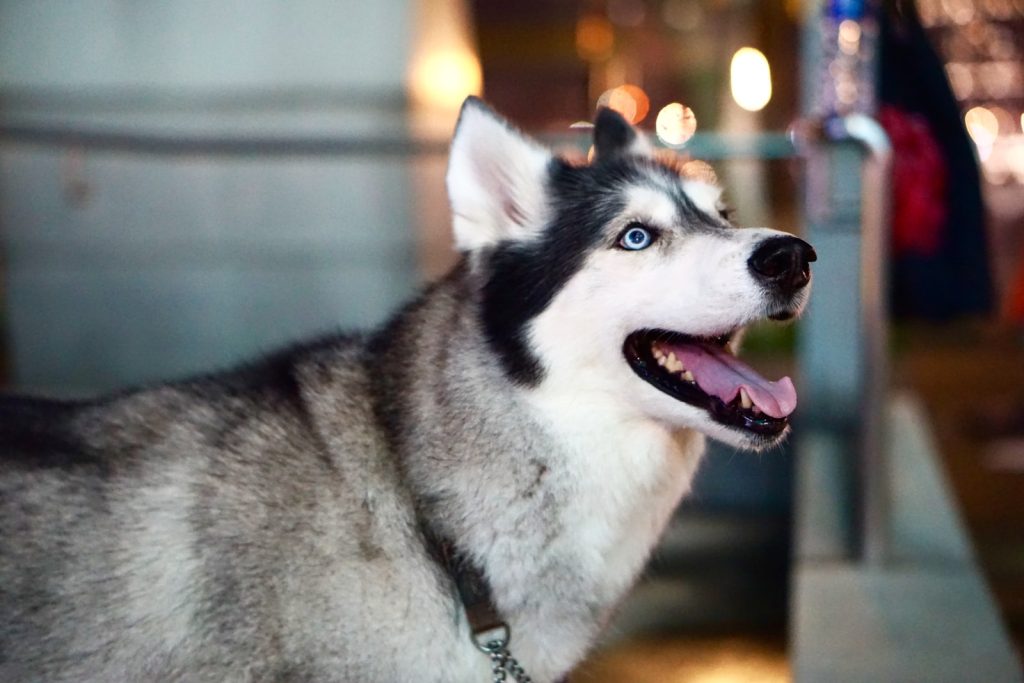
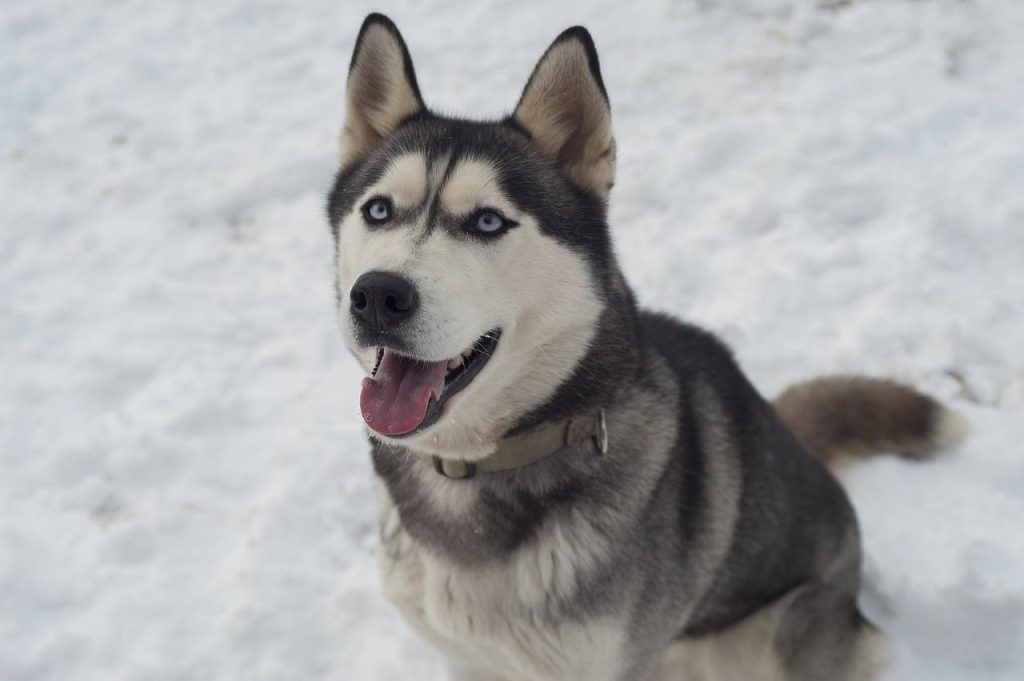
The Husky's tolerance for cold is substantial. Their double-layered coat system, compact ears, furry paws with specialized circulation, and efficient metabolism enable them to thrive in temperatures as low as -50°C. For most Huskies living in moderate climates, they can easily tolerate temperatures down to -20°F (-29°C).
Shop the dog drama
Quick exits to coats, collars, beds, crates, harnesses, leashes, muzzles, and grooming - now without the old image menu circus.
Coat development and the age factor
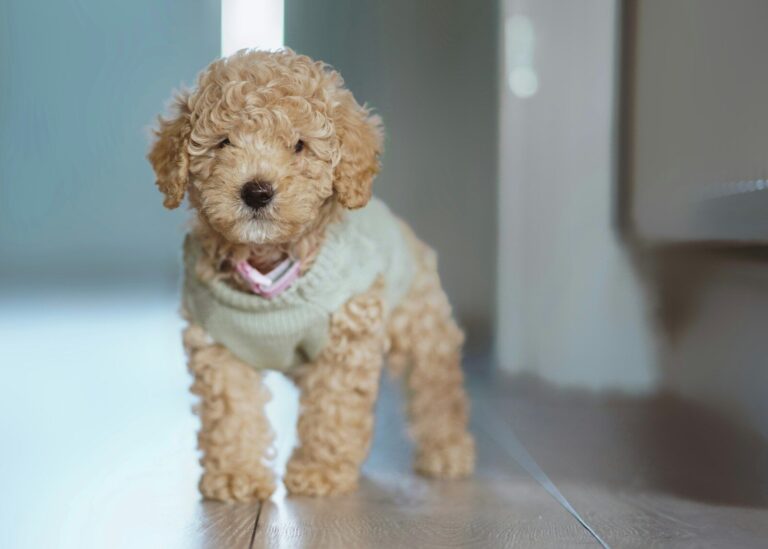
Husky puppies don't have adult coats. Puppies don't develop their full double coat until 10-14 months old. Until then, they're much more vulnerable than adult dogs. Puppies under 8 weeks should stay indoors below 45°F. A light jacket can be appropriate for a young Husky puppy in genuinely cold conditions.
At the other end, senior dogs lose tolerance. Older dogs lose cold tolerance for several reasons. Their metabolism slows, coat density thins, arthritis worsens in cold weather, and circulation decreases. Senior Huskies should be treated more like puppies: shorter outdoor sessions, closer monitoring, and consider a dog jacket in extreme cold even if they'd never need one at their prime.
Other dogs who may need sweaters are older dogs with compromised immune systems or dogs with endocrine issues that result in thinned coats. Conditions such as Cushing's disease or hypothyroidism impact hair growth; a jacket helps trap body heat.
When paw protection makes sense
Paw boots serve a specific function that has nothing to do with warmth. The issue in urban winter environments is chemical, not thermal.
Rock salt can physically tear paw pads, and chemicals used to melt ice can irritate and even burn your dog's pads. When dogs' paws get irritated, they lick them, which means your dog is ingesting these salts and chemicals. In extreme cases, compounds like sodium chloride, calcium chloride, and magnesium chloride can cause burns, respiratory issues, vomiting and diarrhea, and even seizures.
Huskies have specially adapted paws that do a great job dealing with cold temperatures, so winter boots are not needed because of cold alone. But if you live somewhere with a lot of ice and snow where rock salt or ice-melt solution is used on pavements, dog boots will help protect the pads from getting cut and making contact with toxic chemicals.
An alternative to boots is paw wax. Applied before walks, it creates a barrier against salt and chemicals and prevents pads from cracking. Products like Musher's Secret are widely used for this purpose and tolerated better than boots by many dogs.
If you do use boots, fit matters a lot. The boots should fit snugly but not so tightly that they constrict the paws. Measure all four paws by tracing them on paper, then check with the supplier to make sure you purchase the right size. Also worth considering: the fur between a Husky's toes should be kept trimmed, as excess fur collects ice balls that cause discomfort and can tear pads.
Cooling vests in hot weather
This is where a garment can genuinely help a Husky rather than harm it. Huskies in warm climates, particularly those in Arizona, Texas, Florida, or similar regions, face real heat stress risk. A cooling vest works by absorbing water and releasing it through evaporation, pulling heat away from the dog's body.
Use cooling clothing if needed, but put it on before going outside. It is not recommended to put it on when the dog is already hot as it can create a greenhouse effect, doing more harm than good.
Products like the Ruffwear Swamp Cooler Vest use UPF 50+ fabric and evaporative cooling. They are designed specifically for active, heavy-coated breeds. Cooling vests are not a reason to extend outdoor time in extreme heat; they reduce risk during shorter, necessary outings.
Dark-coated Huskies carry added risk. Black-and-white Huskies absorb 10-15% more solar radiation than those with lighter coats. Owners of darker-coated Huskies should be extra cautious, limiting sun exposure and providing more frequent cooling breaks.
Post-surgery recovery suits
This is the one situation where nearly any Husky, regardless of age, coat condition, or climate, may need clothing. After surgery, a recovery suit replaces the traditional cone (Elizabethan collar) and prevents the dog from licking or chewing at incision sites.
Recovery suits serve multiple purposes beyond post-surgery care. The gentle pressure can have a calming effect, similar to anxiety wraps used during thunderstorms or fireworks. They can also help reduce excessive barking and nervous behaviors.
For a Husky, choose a recovery suit made from breathable, organic cotton or bamboo-derived fabric with four-way stretch. Non-breathable synthetics trap heat and are particularly problematic for a breed that already runs warm. Synthetic fabrics like nylon, polyester, and acrylic can cause skin irritation and tend to trap heat, are not breathable, and can lead to overheating.
The suit should be snug enough to prevent the dog from accessing the wound site but loose enough to allow full range of motion. Always consult your vet about whether a suit is appropriate for the specific surgery location; suits don't cover the face, lower limbs below a certain point, or the tail.
What to avoid: overheating risk
The most common clothing mistake with Huskies is dressing them for human comfort rather than theirs. Double-coated, cold-adapted breeds like Huskies are designed to thrive in the cold and usually do not need extra layers, so dressing them in heavy jackets during active play can cause panting, excessive drooling, and distress even on days that feel chilly to humans.
Indoors, the risk is even higher. Most heated homes sit between 68 and 72°F, which is already at the upper end of a Husky's thermal comfort range. A dog jacket worn indoors on a Husky is almost never appropriate.
Signs your dog is overheating in clothing: excessive panting, rapid breathing, drooling, lethargy, seeking shade or cool surfaces, or trying to remove the garment. Remove any clothing immediately and give the dog access to water and a cool area.
Fit and fabric: practical guidance
Whatever garment you choose, fit determines whether it helps or harms. Clothing should be snug but never tight. Check leg openings and shoulder mobility. If the dog can't sit comfortably, it's too restrictive. A quick test: let them walk five steps. If the fabric twists or rides up, the sizing is off.
For any garment that covers the torso, measure the neck circumference, chest at its widest point, and back length from the base of the neck to the base of the tail. Compare all three against the manufacturer's size chart rather than relying on weight alone.
Fabric choices that work for Huskies: lightweight cotton, cotton-lycra blends, and bamboo-derived textiles. These breathe, wick moisture, and won't trap heat. Fabrics to avoid in any long-wear situation: thick polar fleece without ventilation, nylon, acrylic, and anything marketed as heavily insulated. Non-breathable synthetics tend to trap heat and may not be breathable, leading to overheating.
Supervise your Husky whenever they're wearing anything, especially early on. Garments can snag on furniture, crates, or fencing. Always supervise your dog while they wear clothes; there's a risk of getting tangled on a crate, a tree, or furniture.
Common misconceptions
"My Husky needs a coat in winter just like I do." This is the most widespread error. A healthy adult Husky is better insulated than any dog jacket provides. A coat adds heat on top of a system already managing heat.
"Shaving my Husky in summer is the same as removing a coat." Shaving permanently damages the coat structure and removes the UV protection the guard hair provides. It does not cool the dog. The undercoat regulates summer temperature by trapping cooler air near the skin.
"Boots are only useful in cold weather." Paw boots matter most in urban winter because of road chemicals, and in summer because pavement can reach 125-135°F. Temperature management and chemical protection are separate functions.
"A thick coat means my Husky is fine outside in any cold." Although Huskies can tolerate cold temperatures, they shouldn't be left in extremely cold conditions for long periods as they will be at risk of getting hypothermia, just like any dog. When a dog's core temperature drops below 95°F, mild hypothermia is present.
Summary of clothing decisions by situation
| Situation | Clothing useful? | What to use |
|---|---|---|
| Healthy adult, cold outdoor walk | No | Nothing |
| Puppy under 10-12 months, below freezing | Sometimes | Light fleece vest |
| Senior or sick dog in cold | Yes | Light insulating jacket |
| Urban winter walk, salted sidewalks | Yes (paws) | Boots or paw wax |
| Hot climate, outdoor time above ~75°F | Yes | Evaporative cooling vest, pre-soaked |
| Post-surgery recovery | Yes | Breathable recovery suit |
| Thunderstorm anxiety | Possibly | Fitted anxiety wrap (ThunderShirt type) |
| Warm indoor home | No | Nothing |
Current conditions and product landscape
The market for dog clothing has grown significantly, and Husky-specific products are now widely available. Evaporative cooling vests from Ruffwear and similar brands are stocked at most large pet retailers and available online. Breed-fit recovery suits designed for Huskies' larger builds are available directly from specialty manufacturers. Paw wax products are available at pet stores and through mushers' supply companies, with Musher's Secret being a long-established option used in sled dog racing.
The American Kennel Club and veterinary sources consistently advise against routine clothing for thick-coated Nordic breeds, and this guidance hasn't changed. The core rule remains: the Husky's coat already does the job. Clothing is for specific, functional problems — protection, medical recovery, or targeted cooling — not warmth.
References
- American Kennel Club – Siberian Husky breed information: https://www.akc.org/dog-breeds/siberian-husky/
- PetMD – Siberian Husky breed guide: https://www.petmd.com/dog/breeds/siberian-husky
- PDSA – Siberian Husky care guide: https://www.pdsa.org.uk/pet-help-and-advice/looking-after-your-pet/puppies-dogs/large-dogs/siberian-husky
- Whole Dog Journal – When to choose a dog recovery suit: https://www.whole-dog-journal.com/lifestyle/when-to-choose-a-dog-recovery-suit/