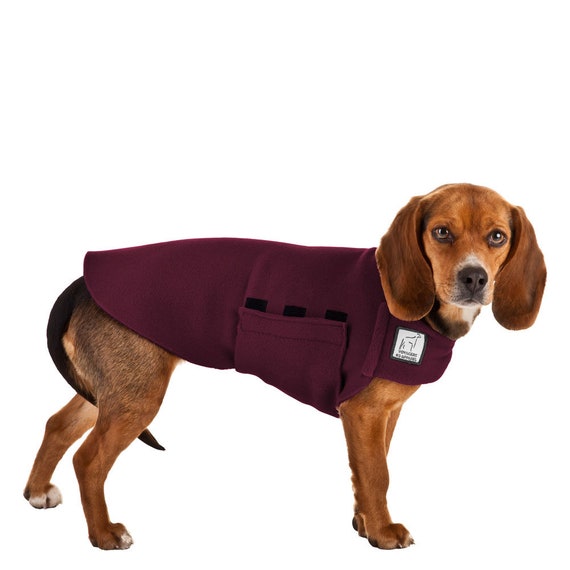
Yorkshire Terriers are among the dog breeds most likely to genuinely need clothing, not just look cute in it.
Their body is small, their coat is a single layer of fine hair with no insulating undercoat, and their body fat percentage is low.
All three factors combine to make them lose heat faster than almost any other breed. Clothing for a Yorkie solves a real physiological problem. It also creates real risks if chosen poorly.
This guide covers why Yorkies need clothes, what types serve which purposes, how to get the sizing right, and what to watch for to keep the dog safe and comfortable at home.
Direct answer
Yorkies need clothes for warmth in any environment where their single-layer coat can't keep up — which includes anywhere below about 50°F (10°C) outdoors, and often indoors too when floors are cold, drafts are present, or air conditioning is running.
The right clothes are sized to the dog's chest measurement, made of breathable and non-irritating fabric, free of small decorative parts that can be chewed off, and removed when the dog is comfortably warm.
Why Yorkies need clothes: the biology
The Yorkshire Terrier has one coat layer, not two. Most dogs have a dense undercoat that traps warm air close to the skin. Yorkies don't. Their single coat of hair offers less protection against the cold and makes them prone to quickly feeling chilly.
Small body mass makes the problem worse. Yorkshire Terriers have a small body mass and a finer coat than most breeds, and they also lack the undercoat of breeds bred for cold climates. When the temperature is around 45°F (7°C), a Yorkie will have difficulty regulating body temperature.
Low body fat adds a third layer of vulnerability. Yorkies carry very little of it. Because of their limited ability to retain warmth, Yorkies are more prone to hypothermia, a condition where the body temperature drops too low. Signs include shaking, lethargy, and muscle stiffness.
When a Yorkie shivers, that's not a quirk. It's the body generating heat through muscle contraction because the dog can't stay warm any other way.
Shop the dog drama
Quick exits to coats, collars, beds, crates, harnesses, leashes, muzzles, and grooming - now without the old image menu circus.
When clothes are needed at home
The home context gets less attention than outdoor cold, but it matters just as much for daily Yorkie comfort.
Cold floors are the most common indoor problem. During the winter season or off-season, even a warm apartment can be uncomfortable for a Yorkie lying on tile or laminate flooring. The favorite place by the front door, kitchen, or bathroom are risk zones where the dog gradually cools down.
Heat rises, and the temperature at floor level, where a Yorkshire Terrier sleeps on their bed, can be significantly cooler than the air humans experience while standing or sitting on furniture. A spot near an exterior wall can be significantly colder than one in the middle of the room, and electrical outlets on exterior walls can be sources of drafts.
Air conditioning creates the same problem in reverse during summer. If a Yorkie gets chilly indoors from AC, a thin layer can help without overheating. A light cotton shirt or thin sweater solves this without adding enough insulation to cause problems.
Puppies under nine months and senior Yorkies both struggle more. Don't invest in a large wardrobe for a Yorkie puppy early on because their clothes will quickly become too small. After one year, the dog's size is more stable, allowing investment in a wider variety of clothing options.
Types of clothes and what they do
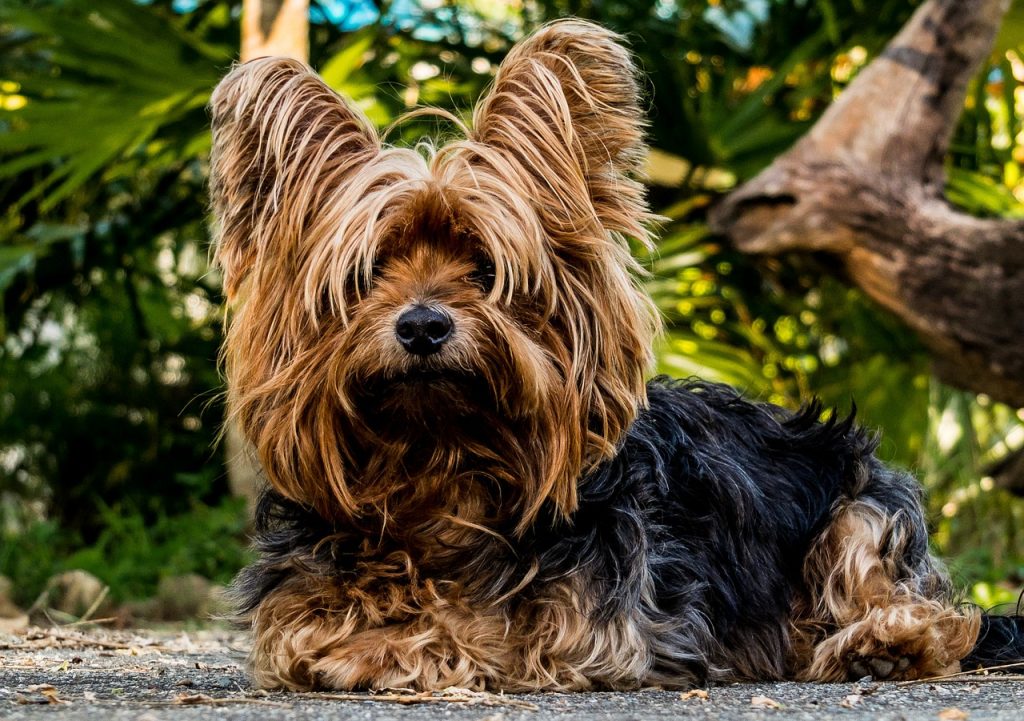
Shirts and thin tees are the most versatile starting point. Shirts are very functional, easy to place on, thin enough to be very well-tolerated by Yorkies not used to wearing clothes, and great for all seasons, both indoors and out.
Vests cover the chest and back without enclosing the legs. Vests are fantastic for helping a Yorkie maintain core body temperature since they wrap around the chest and back without leg covering that some Yorkies may find distracting. They're great for chilly or cold days in fall and winter.
Sweaters provide meaningful warmth from late autumn through early spring. Sweaters and thick shirts are a necessity for many adults but particularly for young puppies and senior Yorkshire Terriers that struggle to stay warm, providing what the breed's single coat cannot: a warm, comfortable extra layer.
Coats and jackets are for the coldest conditions. These are reserved for winter days that are below freezing and days with cold rain. Waterproof is a good option for those living in areas that receive heavy snow or sleet. A damp Yorkie loses heat dramatically faster than a dry one.
Cooling vests and mesh tops handle the opposite problem in summer. The best warm-weather designs for Yorkshire Terriers are sleeveless and short-sleeved, letting air pass around the dog's body to help dissipate heat. Light colors like white or pale yellow are best because they reflect sunlight rather than absorbing it.
Fabric: what works and what doesn't
Cotton is the most reliable all-season material. Cotton is soft, breathable, and comfortable, making it a good option for most dogs. Fleece is warm, soft, and generally non-irritating, ideal for cooler weather. Bamboo or organic cotton is hypoallergenic and gentle on the skin, good for dogs with sensitivities.
Avoid vinyl or plastic materials, which are not breathable and can cause a dog to overheat. They also tend to be stiff and uncomfortable. Loose knits or mesh can easily snag on nails, teeth, or other objects. Fabrics should be washed with fragrance-free detergent and air-dried to avoid shrinking and chemical irritation.
Getting the size right
Sizing by breed name or weight is the most common mistake. Many brands claim to offer "extra small," yet those sizes fit dogs much larger, around 10 pounds. The trick is to find quality clothes actually sized for very tiny dogs, since Yorkies typically weigh 3 to 7 pounds and stand 6 to 9 inches at the withers.
The measurements that matter are three: chest girth, back length, and neck girth.
Chest girth is the widest part of the dog's chest. Back length runs from the base of the neck to the base of the tail (excluding the tail). Use a soft tape for measurements. Wrap around the neck and chest, leaving two fingers of space between the tape. Chest size takes priority. If between sizes, size up.
A useful reference by Yorkie size:
| Yorkie type | Weight (lbs) | Typical clothing size |
|---|---|---|
| Teacup | Up to 4 | XXS / Extra Small |
| Toy | 4–7 | XS / Extra Small |
| Standard | 7–9 | XS–S / Small |
These are starting estimates only. Always measure before buying.
Fit, safety, and signs of discomfort
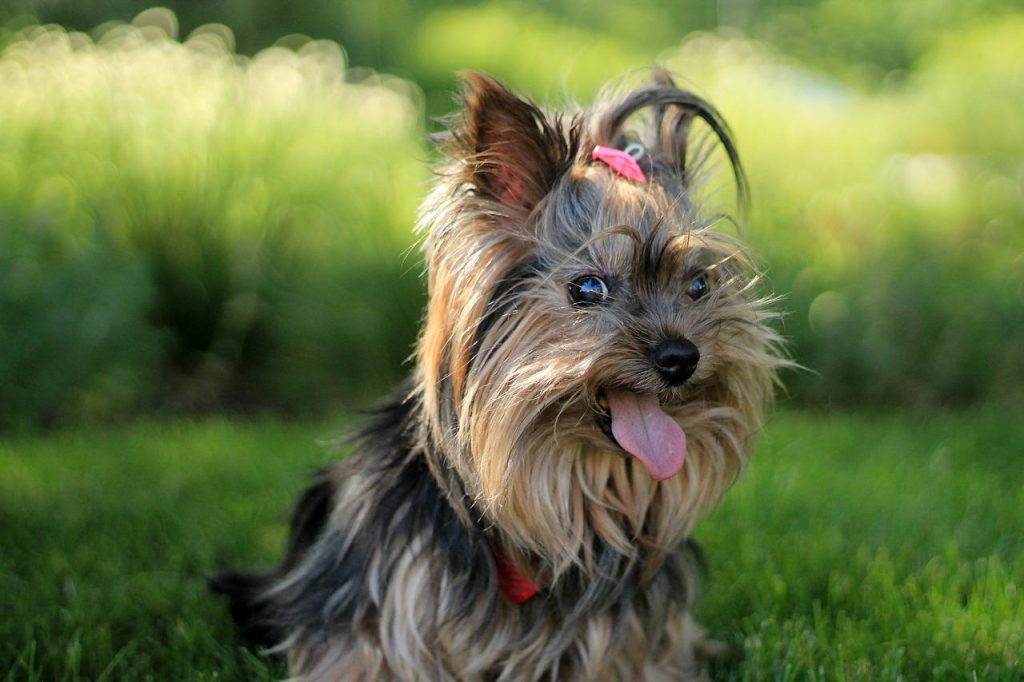
Tight clothing can restrict movement and breathing, while loose clothing might cause a dog to trip or get tangled. A garment that is slightly too loose is safer than one that is too tight.
Avoid clothing with small buttons, zippers, or decorations that a dog could chew off and swallow, as these can become choking hazards.
Signs of discomfort include freezing in place and refusing to move, tucking the tail, licking lips or yawning, trying to bite or pull the clothing off, and hiding or avoiding you. Forcing a dog to wear something that makes them anxious can damage the trust they have in you.
Remove coats when a Yorkie is indoors and comfortable. Dogs can overheat indoors if left in too many layers, and unlike people, dogs don't sweat to cool off. Use clothes only when outside or in a chilly room.
Introducing clothes to a Yorkie that's never worn them
Forcing a sweater over a dog's head without preparation often creates lasting resistance.
A gradual approach works: let the dog sniff the new item, then drape it over their back for a second with a treat and praise. Then put one paw through a leg hole, treat and praise again. Extend the process over several sessions. Most Yorkies adapt well once they associate clothes with warmth and positive attention. In practice, many Yorkies learn to enjoy their sweaters and even strut around once they feel warm and comfortable.
Indoors vs. outdoors: different needs
At home, the goal is warmth without overheating. A light shirt or thin sweater on a Yorkie that spends time on cold floors or in drafty rooms is reasonable. A heavy winter coat on the same dog sitting near a warm heating vent is unnecessary.
The practical test: if you're comfortable in a t-shirt and the Yorkie isn't shivering or seeking warmth, no clothes are needed. If a Yorkie is shaking or bundles itself into a tight little ball, it's cold — a good time to put on a coat and maybe adjust the thermostat a few degrees.
A raised bed placed away from exterior walls and drafts also reduces indoor cold exposure without requiring clothes at all. Some owners combine both: a raised bed for the dog's primary resting spot plus a light shirt on very cold nights or in rooms that run colder.
References
- Yorkie Info Center — https://www.yorkieinfocenter.com/yorkshire-terrier-clothing
- Yorkie Info Center (winter care) — https://www.yorkieinfocenter.com/yorkshire-terrier-winter-care
- Hill's Pet Nutrition — https://www.hillspet.com/dog-care/dog-breeds/yorkshire-terrier
- Fitwarm — https://www.fitwarm.com/blogs/news/what-are-the-best-clothing-options-for-yorkshire-terriers
- Fitwarm sizing guide — https://www.fitwarm.com/pages/all-size-guide