Dressing a Great Dane is a specific problem with a specific solution: most standard dog clothing won't fit, and the few items that do require exact measurements to work.
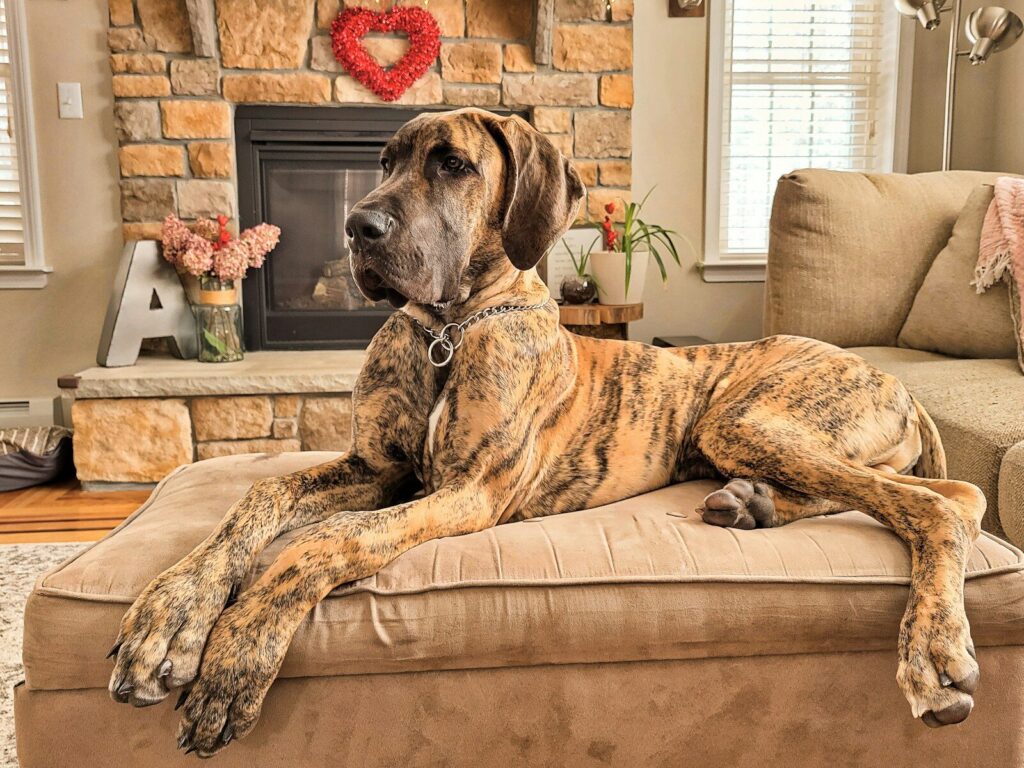
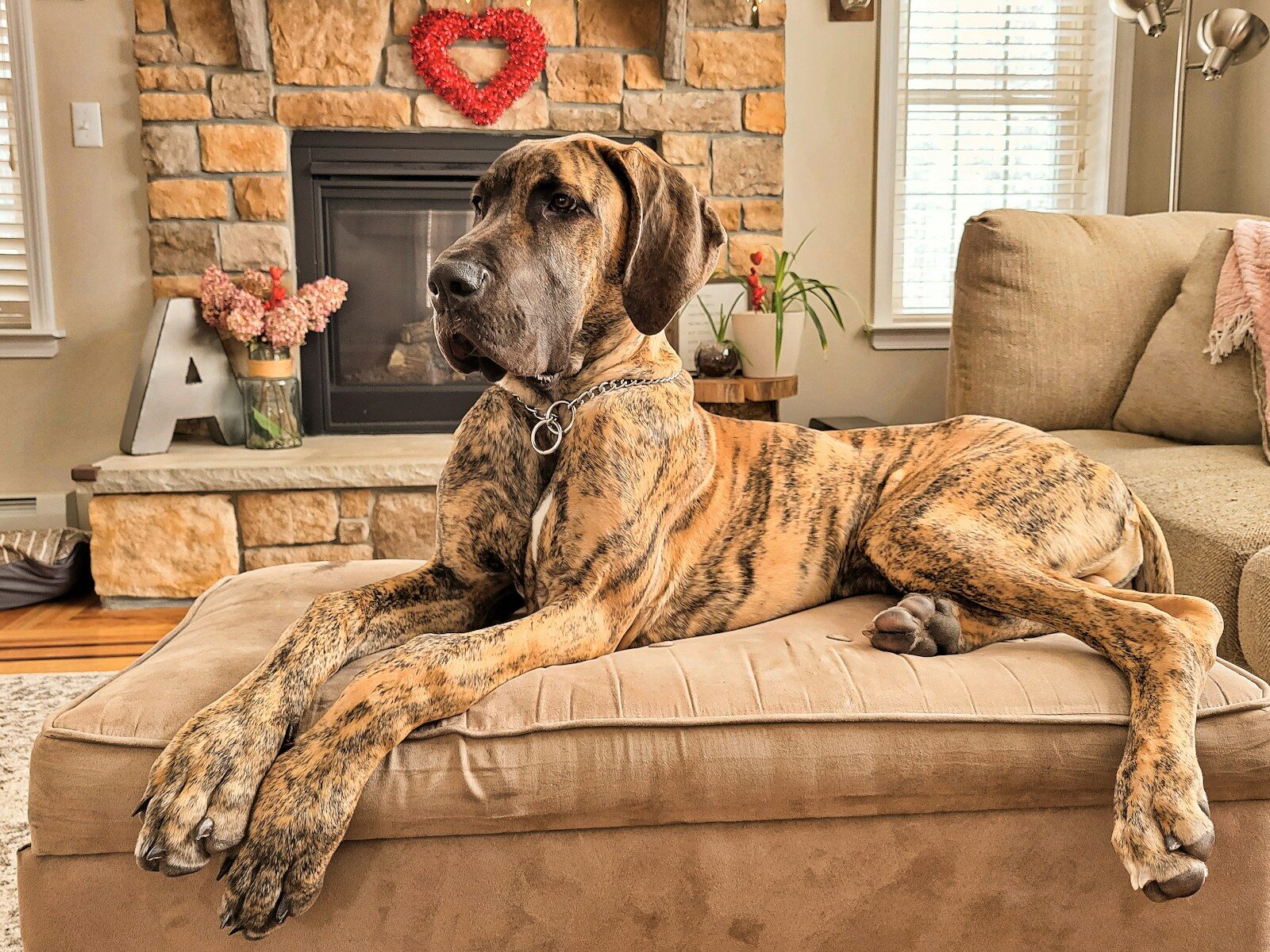
The breed's proportions- a broad, deep chest tapering sharply into a narrow, tucked waist, sitting on a very long back with a long neck- fall outside the range of most mass-market pet apparel.
Owners who skip the measuring tape typically end up with garments that bunch, restrict movement, or slide off.
Getting it right means understanding the body shape, taking 3 key measurements, and knowing which brands actually make products sized for the breed.
Direct answer
Great Danes have a short coat that provides minimal insulation, making them sensitive to cold temperatures. A coat or sweater is a practical item for this breed, not decoration.
They're most comfortable between 68°F and 72°F, with discomfort beginning below 44°F. Below 32°F poses a real hypothermia risk, and most show cold stress after 10 to 20 minutes in freezing conditions.
The challenge when buying clothes for a Great Dane at home is that the dog's body doesn't conform to any standard "extra large" or "XXL" category. Great Danes have a distinct chest-to-waist ratio and natural shape of the spine that generic sizing doesn't account for.
A garment sized correctly for the chest is often too short along the back, and one long enough for the back is often too loose through the neck and waist. Breed-specific brands solve this problem. Generic sizing charts rarely do.
Key facts about Great Dane proportions
The Great Dane body follows a consistent structural pattern that directly affects how clothing fits. The chest is broad, well-muscled, and deep, extending to the elbows. The loin is short and broad, with a well-defined tuck-up.
That pronounced tuck-up, the sharp rise of the belly behind the ribcage, means a coat that sits flat on the chest won't follow the body line and will bunch or gap underneath. It's one of the main reasons generic coats fail on this breed.
Males should be at least 30 inches at the shoulders, with 32 inches or more preferred. Females should be at least 28 inches, with 30 inches or more preferred.
Add to that a very long back and a long, high-set neck, and you have a dog whose physical dimensions sit well outside the proportions most clothing manufacturers design for.
Great Danes have a thin single-layer coat that provides little protection against cold temperatures, and their naturally low body fat makes them even less suited to handle cold conditions.
Double-coated breeds have a coarser outer coat and a softer undercoat, which gives them extra protection. With only a single coat, Great Danes are at a disadvantage in cold climates.
Shop the dog drama
Quick exits to coats, collars, beds, crates, harnesses, leashes, muzzles, and grooming - now without the old image menu circus.
The 3 measurements you need before buying anything
Every reliable brand that makes Great Dane clothing asks for the same 3 measurements. Take them with a soft tape measure while the dog is standing.
Neck: measure around the base of the neck where it meets the shoulders. Keep the tape snug but not tight.
Chest: measure around the widest part of the chest, just behind the front legs. Make sure the dog is standing, and the tape is snug but not tight.
Back length: measure from the withers (the base of the neck, just ahead of the shoulder blades) to where the tail meets the spine. Keep the tape straight along the back.
The chest measurement is the most constraining dimension. If a coat is too tight through the chest, the dog can't move freely. If it clears the chest but is sized up to accommodate a big dog, it may be too wide through the neck.
The back length matters because a coat that's too short leaves the hindquarters and flank exposed. If in between sizes, always choose the larger size.
For reference: a standard extra-large size in most sizing charts lists neck 13.5", back 20", and chest 29" for breeds like Mastiffs and Great Danes.
In practice, a back length of 30", chest measurement of 37 to 42", and neck measurement of 28 to 30" is more representative of a typical Great Dane's actual dimensions. The gap between generic XL sizing and real Dane dimensions is significant.
Common misconceptions
Weight alone doesn't determine size. Great Danes vary substantially in build even at similar weights. A 120-pound female can have very different proportions from a 120-pound male. Always measure; don't order by weight.
Standard pet store sizing won't reach. Typical pet stores seldom carry Dane-sized boots, coats, shirts, or other items. An XXL at a major pet retailer is typically sized for a large Labrador. Most Danes won't fit into it.
Going up a generic size won't fix the proportion problem. The issue isn't just that Danes are big. Their chest-to-waist ratio and back length fall outside the proportional assumptions built into standard sizing ladders. A garment that fits a dog sized up from an XL to a 2XL still isn't the right shape for this breed.
Clothing types and when to use them
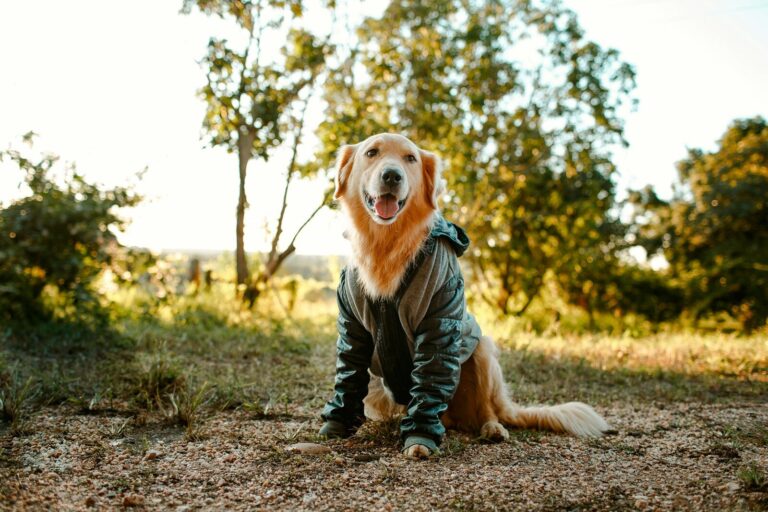
Winter coats and jackets are the most functional purchase for cold-weather climates. For short-haired breeds, a coat or sweater with coverage from the base of the tail to the belly is standard winter wear. For Danes specifically, the coat needs to be long enough to cover the full back and the flank, not just sit over the shoulders.
Fleece sweaters work well for cooler but not freezing temperatures. A sweater or fleece coat is a practical option to keep Great Danes warm during winter walks. Stretchy materials like fleece tolerate the deep-chest/narrow-waist ratio better than rigid or woven fabrics.
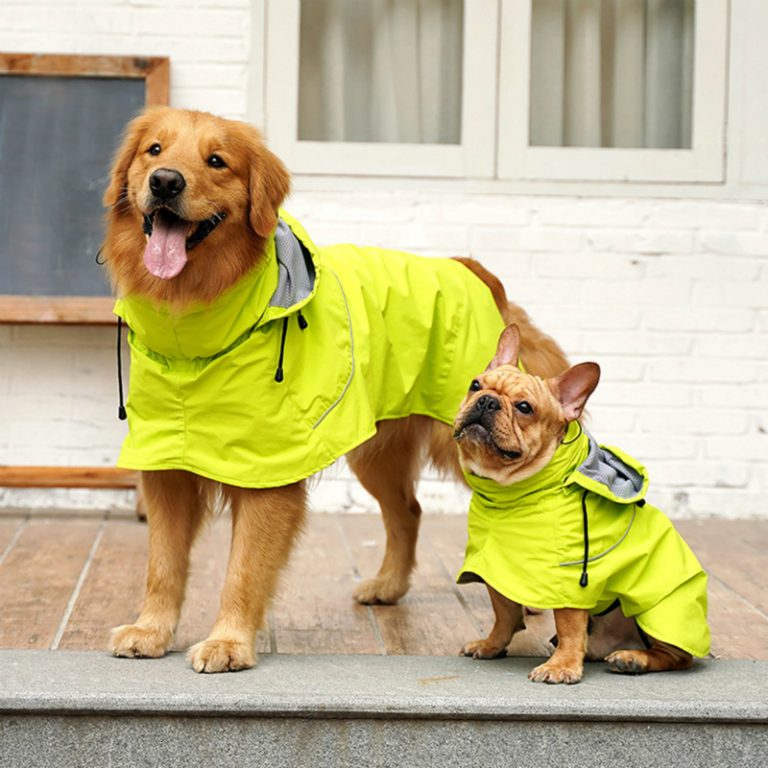
Raincoats are practical for wet climates. Great Danes' short coats provide little protection in rainy and cold weather. A waterproof layer prevents them from becoming soaked, which speeds up heat loss. Raincoats also reduce the post-walk drying routine.
Tummy warmers are a separate category designed to cover only the belly, useful when a full coat is too warm but the dog shows sensitivity through the abdomen. Voyagers K9 Apparel makes a Dane-specific version.
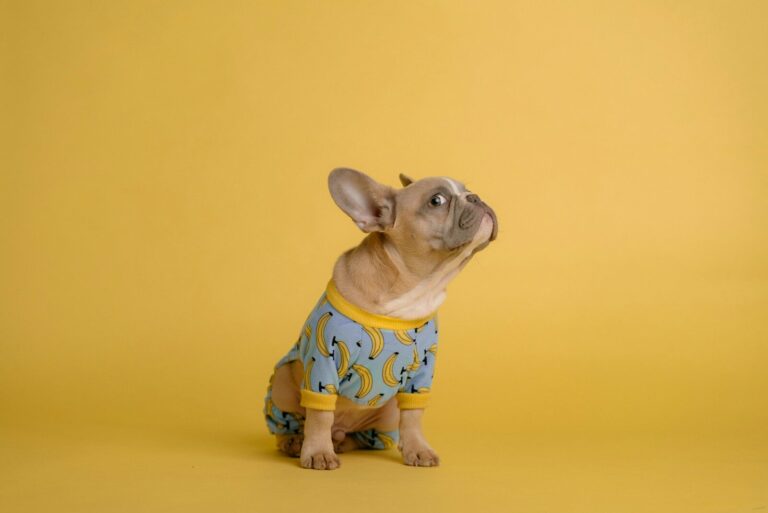
Pajamas and indoor garments are more comfort-focused. A coat sized 80 cm fits most standard adult females; 90 cm fits fully grown adult males with large, broad body mass. The same sizing logic applies to indoor wear: females and males typically land in different size ranges even from breed-specific makers.
Brands that actually fit
Most owners find they need to buy from specialist or large-breed-focused brands. The options below are specifically noted for Great Dane compatibility.
Voyagers K9 Apparel builds coats with breed-specific patterns for Great Danes, accounting for the chest-to-waist ratio and spine shape. They use a sizing system based on the dog's specific measurements rather than generic size labels.
Danarmor Pet Supplies, based in Ireland, focuses on high-quality raincoats and winter wear for Great Danes, Irish Wolfhounds, and Boxers, with worldwide shipping.
GF Pet offers sizes up to 4XL, with their largest size covering a back length of 32" and girth of 34 to 40".
Gold Paw makes stretch fleece sweaters up to size 30, which is designed for Great Danes with a back length of 30" and girth of 34 to 40".
WeatherBeeta offers dog coats up to 32" in back length.
Hefty Hounds specializes in large-breed clothing with coats available up to 3XL (30" length, 36 to 42" chest, 24 to 28" neck).
Canada Pooch offers sizes 32", 34", and 36" for dogs up to 200 pounds.
Cloak and Dawgie/My Canine Kids carry sizes up to 5XL for dogs over 200 pounds.
Mila + Me, based in Queensland, Australia, makes custom and ready-made apparel specifically for Great Danes and Greyhounds.
Motley Mutt offers sizes for dogs up to 230+ pounds, covering sweaters, coats, leg warmers, tees, hoodies, and bandanas.
Practical tips for buying at home
Measure every time. Young Danes grow fast. A coat bought at 6 months won't fit at 12 months. Don't reorder the same size without re-measuring.
Check return policies before buying. Fit problems are common even with breed-specific brands. A brand that accepts returns makes it easier to exchange without financial loss.
Avoid garments with leg holes for first-time buyers. Jackets with four leg holes are harder to put on a dog who isn't accustomed to wearing clothes. Start with a slip-on blanket coat or barrel-style jacket that attaches under the belly. It's less restricting and easier to get on and off.
Test for tail clearance. Coats designed for Great Danes are meant to cover the length and flank without interfering with the tail. A coat that's too long will sit on the tail, causing the dog to pull at the garment.
Don't leave clothing unsupervised. Any garment that bunches, shifts, or gets snagged becomes a safety issue if the dog is alone. Especially during the first uses, check that the fit is stable and that the dog can move, sit, and lie down freely.
Watch for overheating indoors. Great Danes can overheat easily due to their short coat and size. A coat designed for outdoor temperatures below freezing isn't appropriate for wearing around the house in a heated room.
Current conditions
The market for large-breed-specific dog clothing has grown since around 2010, and several dedicated brands now exist. Most operate online with international shipping.
Etsy is a useful source for custom-made pieces when standard sizes don't fit. Prices for breed-specific Dane coats typically run from around $50 to over $150 depending on material and brand. Generic pet store options remain largely inadequate in terms of sizing.
References
- Voyagers K9 Apparel, Great Dane Measuring Guide: https://k9apparel.com/pages/great-dane-measuring-guide
- Great Dane Club of America, Illustrated Standard: https://gdca.org/wp-content/uploads/2018/11/An-Illustrated-Standard-and-Guide-for-the-Evaluation-of-the-Great-Dane.pdf
- American Kennel Club, Official Standard of the Great Dane: https://images.akc.org/pdf/breeds/standards/GreatDane.pdf
- United Kennel Club, Breed Standards: Great Dane: https://www.ukcdogs.com/conformation-breed-standards/great-dane
- Great Dane Rescue of North Texas, Cold Weather Hazards: https://www.danerescue.net/2013/01/cold-weather-hazards-your-pet/
- PetSmart, Dog Clothes Sizing Chart: https://www.petsmart.com/help/sizing-charts-H0012c.html