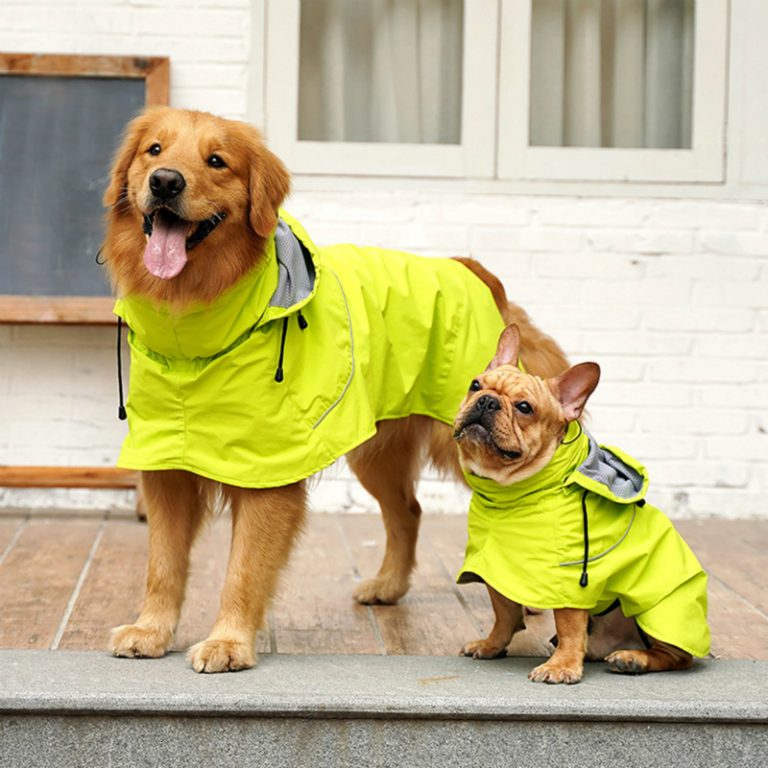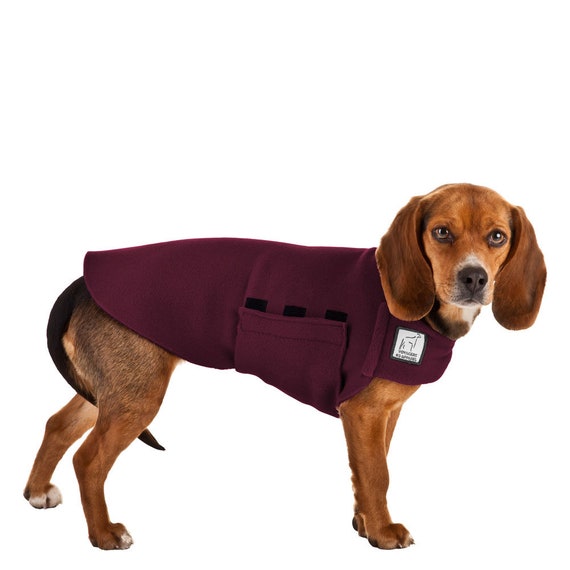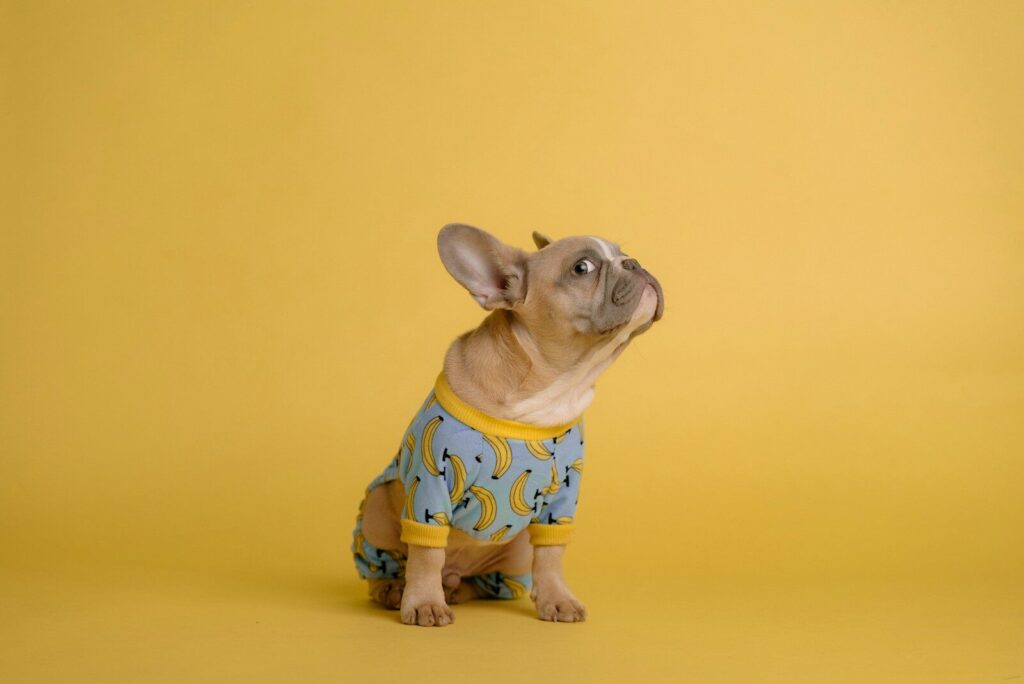
French Bulldogs have a body that doesn't fit standard dog clothing.
Their chest is wide and barrel-shaped, their neck is thick and short, and their overall proportions are compact and muscular.
Generic sizing by weight rarely works. Clothes that fit a 12 kg Labrador won't fit a 12 kg Frenchie.
The breed also has a flat face (brachycephalic structure) that limits their ability to regulate body temperature, which makes clothing more than cosmetic for many owners.
Choosing the right clothes at home starts with understanding why the fit matters, then following a specific measurement process before anything else.
Direct answer
Measure chest girth and neck girth with a soft measuring tape before buying anything.
Those two numbers matter more than weight or general size labels.
Once you have them, check the sizing chart specific to that product, because sizing varies by brand.
Then choose the right garment type for what you actually need at home.
Why French Bulldogs need clothes more than most breeds
French Bulldogs have a brachycephalic structure, which can make it difficult for them to regulate body temperature.
This makes them more prone to heatstroke in hot weather, and their short coat offers minimal protection in cold weather.
They can't properly cool themselves in the heat, but due to their short hair, they're not really protected from the cold either.
This makes layering a necessity, with breathable fabrics for summer and insulating ones for cold months.
At home specifically, clothes have two practical uses beyond warmth.
French Bulldogs have a higher tendency to develop environmental allergies, and wearing pajamas at home can help prevent them from collecting allergens on skin.
Some of the most common environmental allergens are dust, dirt, mites, fleas, and pollen.
The second is shedding control. Pajamas help trap fur inside the shirt, reducing how much spreads around the house.
Shop the dog drama
Quick exits to coats, collars, beds, crates, harnesses, leashes, muzzles, and grooming - now without the old image menu circus.
How to measure your Frenchie
Measure around the base of the neck where it meets the shoulders, keeping the tape snug but not tight.
For the chest, measure around the widest part, just behind the front legs, making sure your dog is standing.
For back length, measure from the withers (base of the neck, just ahead of the shoulder blades) to where the tail meets the spine.
Weight may not always be accurate for sizing. Each dog is unique, so always measure and refer to the sizing chart on the product page.
Two important rules when you have the numbers:
If your Frenchie is between two sizes, go for the bigger one. A snug fit can make breathing harder, especially around the chest.
For adult Frenchies, the typical chest range is 20 to 30 inches, which places most full-grown dogs in XL or XXL depending on the brand.
Puppies grow quickly, so choosing one or two sizes up allows for growth.
Fabric: what to look for, what to avoid
Opt for breathable, natural fabrics for everyday wear, such as cotton or bamboo, as these minimize skin irritation and promote proper airflow.
For winter gear, choose moisture-wicking base layers with an insulating fleece or wool blend on top.
Rough materials such as untreated wool against your Frenchie's skin should be avoided.
Non-breathable synthetics are a real problem for the breed. Dogs don't sweat as humans do.
Trapping heat with non-breathable clothing can lead to thermal stress, even indoors.
For a stretchy fit that still allows movement, look for materials with at least 5% spandex content.
Organic cotton with soy-based print is a safe option: no harmful chemicals that can cause skin irritation or worsen allergens, and it's easy to wash and care for.
Types of clothes for home use
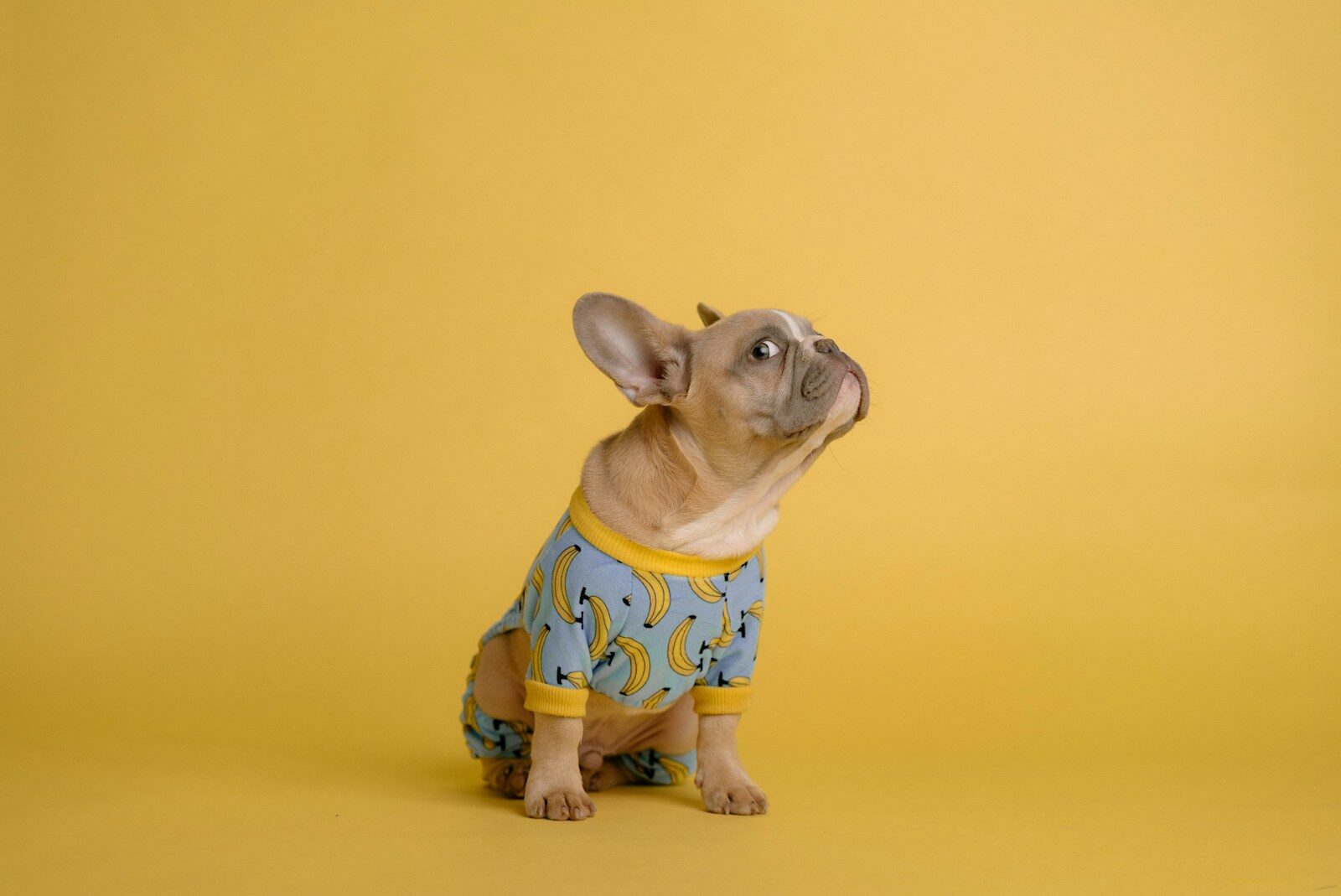
Pajamas are the most practical starting point for home. Your dog only needs pajamas if they sleep outdoors during winter.
French Bulldogs are already warm enough without clothes in a heated apartment.
Choose pajamas made of thin cotton instead of thermal material. Pajamas can help prevent shedding if your dog sleeps in your bed.
A soft pajama for downtime, a hoodie for cooler weather, an easy shirt for everyday wear, and a lighter coverage option for sunnier days is usually a smarter mix.
That gives flexibility without overbuying and helps you dress your dog based on comfort first, then style.
T-shirts and lightweight shirts work well for allergy-prone dogs who spend time on furniture or carpet.
If your Frenchie is extra sensitive, consider indoor tees or pajamas, great for minimizing allergens or for post-surgery recovery.
Sweaters and hoodies are suited for colder months or poorly heated rooms.
Sweaters are often made of soft, stretchy materials to accommodate the compact, muscular build.
Hoodies are similar but often come with a hood for extra warmth and are usually easy to put on and take off, making them convenient for quick walks or lounging at home.
Fit: what good fit looks like, and what to watch for
Good fit means the dog can move, breathe, sit, and lie down without restriction.
The goal is clothes that let your Frenchie move freely without any pinching or sagging.
Too snug, and they'll be giving you the stink eye; too baggy, and they might take a tumble during playtime.
Stretchable fabric helps accommodate the bulldog's broad chest.
Easy-to-put-on-and-take-off designs with adjustable straps, zippers, buttons, or Velcro closures are important for convenience.
Care needs to be taken with zippers as these may pinch skin and fur. Buttons, while looking cute, are hard to do up on a dog and may fall off.
Reading your dog's reaction
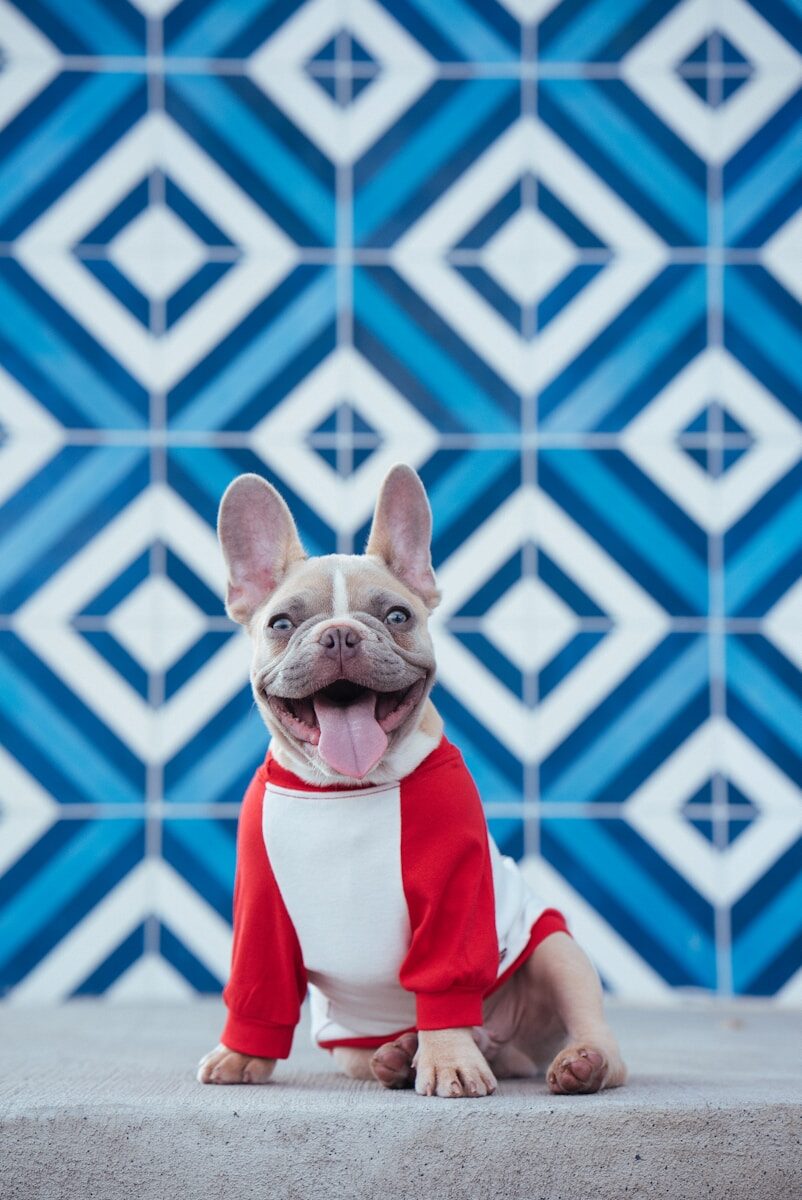
Signs your Frenchie is comfortable: excited behavior, happy facial expressions with soft eyes and an open mouth, seeking more interaction, willingness to stay in the outfit.
Signs of discomfort: trying to remove it, pawing at a sweater, rolling around to take it off, freezing in place, avoidance, whining, or restless pacing.
If your dog is constantly trying to wiggle out of their outfit or shows signs of distress, start slow: try a lightweight t-shirt for short periods and reward with treats and praise.
If they eventually get used to it, you can introduce more elaborate outfits later.
If your French Bulldog is shaking, shivering, seems uncomfortable, anxious, or is hunched over with a tucked tail, they're telling you the outfit isn't right.
Practical approach for buying at home
Buy one item first. If you're still uncertain about size, buy just one instead of many and try it on your Frenchie before going for more.
Stick to three to five core wardrobe items that cover all seasons.
A good hoodie, one raincoat, one t-shirt, and one warm coat can meet most needs without overloading the closet or the wallet.
For washing, machine washing on a cold cycle is fine. Using natural washing liquid and air drying extends the life of the clothing.
Common mistakes
Guessing the size. Two dogs might weigh the same but have totally different body builds, so weight doesn't tell the full story, especially with a barrel-chested Frenchie.
Buying clothes made for general dogs. Frenchies have short necks and broad chests.
Looking for shirts designed specifically for brachycephalic breeds is worth the extra effort.
Leaving clothes on too long in warm conditions. Even brief exposure to non-breathable fabrics can trigger discomfort in brachycephalic and heat-sensitive breeds, and indoor heating can make this worse.
Using the same sizing chart across brands. Every manufacturer sizes differently.
The chest measurement in inches is the number that transfers. The letter label doesn't.
References
- Voyagers K9 Apparel French Bulldog Measuring Guide: https://k9apparel.com/pages/french-bulldog-measuring-guide
- Frenchie Shop, How to Choose the Right Clothes for Your Frenchie: https://www.frenchie.shop/blogs/frenchie-shop-blog/how-to-select-and-buy-the-right-clothes-for-my-french-bulldog
- Fitwarm, How to Dress a French Bulldog: https://www.fitwarm.com/blogs/news/french-bulldog-clothes